
The pursuit of profitability for a small business is often viewed through the lens of increasing sales. While revenue growth is essential, it is only one side of the coin. The most resilient businesses are those that master the art of controlling overhead. Operational costs—those recurring expenses required to keep the doors open—can quietly erode margins if left unchecked. From the physical space you occupy to the digital infrastructure that powers your marketing, every line item represents an opportunity for optimization.
Reducing overhead is not about cutting corners or sacrificing quality; it is about strategic efficiency. It requires a shift from reactive spending—paying for things only when they break or become urgent—to proactive management. By auditing your current processes and physical environment, you can identify “leaks” in your budget that, when plugged, provide a significant boost to your annual bottom line. This guide explores comprehensive strategies to streamline your operations, protect your physical assets, and modernize your administrative functions to ensure every dollar spent is an investment in future growth.
Assessing the Financial Impact of Energy Management

Energy consumption is one of the highest yet overlooked overhead costs for small businesses. Whether you operate a retail storefront or a corporate office, the cost of maintaining a comfortable environment can fluctuate wildly based on seasonal changes and local utility rates. To mitigate these costs, business owners must look beyond the thermostat and evaluate the building envelope itself.
One of the most effective ways to manage internal temperatures without overworking your systems is through proper light and heat control. Large windows are an asset for natural light, but they are also a primary source of solar heat gain in the summer and heat loss in the winter. Investing in a custom blind service allows a business to install tailored solutions that reflect heat during the day while maintaining a professional aesthetic. These installations act as a layer of insulation, significantly reducing the load on your mechanical systems.
Furthermore, the state of your climate control systems determines the efficiency of your energy spend. Older units often draw more power while providing less output. By partnering with reputable ac maintenance companies, you ensure that your cooling systems are running at peak performance. Regular cleaning of coils, checking refrigerant levels, and replacing filters prevent the system from draining on the electrical grid, which keeps your monthly utility bills predictable and low.
-
Audit your lighting: Switch to LED bulbs throughout the facility to reduce electricity usage by up to 75%.
-
Seal the leaks: Check for drafts around doors and windows that force your systems to work harder.
-
Programmable thermostats: Automate temperature changes for after-hours to avoid heating or cooling an empty building.
Protecting the Structural Integrity of Your Property
The physical structure of your business is often your largest asset, but it can also be your largest liability if maintenance is deferred. Small issues in a building’s exterior can quickly escalate into multi-thousand-dollar repairs that disrupt your workflow. Proactive care is the only way to ensure that “wear and tear” doesn’t turn into a financial catastrophe.
The roof is the first line of defense against the elements. Neglecting it is a gamble that few small businesses can afford to lose. Engaging with professional roofing services for annual or bi-annual inspections can identify minor issues like cracked shingles, clogged drainage points, or flashing failures before they result in interior water damage. A small patch today is infinitely cheaper than a full mold remediation and ceiling replacement next year.
Similarly, the aesthetic and functional condition of your windows impacts both energy bills and your brand’s reputation. Over time, environmental pollutants and minerals can build up on glass, leading to permanent etching and reduced natural light. Utilizing a local window cleaning service ensures that your building maintains its value and appeal. Clean windows allow more natural light to enter the space, which has the added benefit of boosting employee morale and reducing the need for artificial lighting during daytime hours.
Optimizing Interior Climate and Comfort Systems
While the exterior protects the building, the internal systems dictate the daily operational costs of the workspace. Thermal comfort is non-negotiable for employee productivity and customer satisfaction, but it must be managed with an eye toward the budget. Efficiency in these areas is achieved through a combination of modern hardware and consistent oversight.
In cooler climates, the cost of heating can become a dominant expense during the winter months. If your furnace or boiler is over a decade old, it may be operating at a fraction of its original efficiency rating. Upgrading to high-efficiency equipment or simply ensuring that the existing system is tuned for the season can save hundreds of dollars in fuel or electricity costs. It is vital to view temperature management as a holistic system rather than an “on or off” utility.
Beyond the air quality, the mechanical movement within a building also requires a watchful eye, especially in multi-story facilities. Elevators are complex machines with high liability risks and expensive repair costs if they fail. Consistent elevator maintenance is essential not just for safety compliance, but for cost control. A well-lubricated and calibrated elevator lasts years longer than one that is only serviced when it gets stuck, allowing you to amortize the cost of the machine over a much longer period.
-
Filter replacement: Change air filters every 90 days to maintain airflow and system health.
-
Zoned heating: Use dampers to avoid heating storage areas or unoccupied rooms.
-
Mechanical logs: Keep detailed records of all service dates to identify recurring issues with specific equipment.
Establishing High Standards for Facility Hygiene
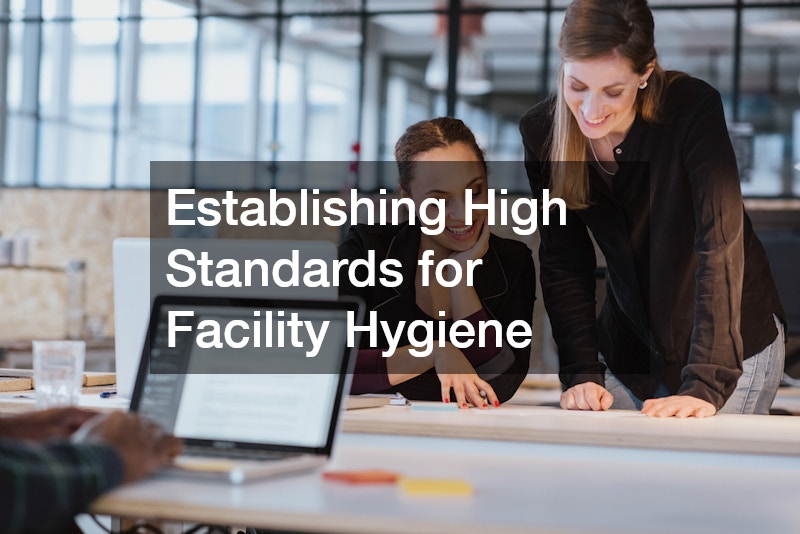
A clean office is more than just a visual preference; it is a fundamental part of an overhead reduction strategy. The cleanliness of your facility directly impacts the lifespan of your interior assets, such as flooring, upholstery, and electronics. Dust and grime act as abrasives that wear down carpet fibers and can even cause hardware failure in sensitive server rooms.
By contracting a professional commercial cleaning service, you are essentially outsourcing the preservation of your office furniture and flooring. Professional-grade equipment and chemicals remove deep-seated dirt that standard janitorial efforts might miss. This extends the replacement cycle of your office assets, saving you significant capital expenditures over a five-to-ten-year period.
Moreover, hygiene plays a critical role in controlling labor-related overhead. A sanitized environment reduces the spread of seasonal illnesses among staff. When employees are healthy, productivity remains high and the costs associated with absenteeism—such as temporary staffing or missed deadlines—are minimized. Maintaining a high standard of cleanliness is a small monthly expense that prevents large, unpredictable losses in human capital.
Modernizing Your Administrative and Payroll Functions
As a small business grows, the administrative burden often grows with it. Many owners try to handle back-office tasks themselves or delegate them to employees who aren’t specialists in those areas. This often leads to inefficiencies, errors, and missed opportunities for tax savings. Streamlining these functions through specialized vendors can turn a chaotic administrative department into a lean, professional operation.
Handling financial distributions internally is a significant time sink and carries a high risk of regulatory error. Utilizing payroll services for small business allows you to automate tax filings, direct deposits, and compliance reporting. This not only frees up dozens of hours of management time each month but also protects the company from expensive penalties associated with incorrect tax withholdings. The cost of the service is almost always lower than the cost of a single major filing error.
In addition to financial management, the way you handle your workforce and legal obligations can be optimized. Instead of hiring a full-time executive to manage employee relations and compliance, many businesses find success in outsourcing to hr services. These firms provide access to expert advice on labor laws, benefits administration, and conflict resolution on a fractional basis. This gives you the expertise of a large corporation without the high salary and benefits package associated with a dedicated internal department.
-
Cloud-based accounting: Use software that integrates with your bank to reduce manual data entry.
-
Direct deposit: Eliminate the cost and time of printing and distributing physical checks.
-
Digital record-keeping: Reduce the need for physical storage space and paper supplies.
Leveraging High-Impact Marketing Assets
Marketing is often the first budget to be cut when a business needs to save money, but this is a short-sighted move. Without a pipeline of new customers, the business eventually stagnates. The key to saving money on marketing is not to spend less, but to spend smarter by investing in assets that have a long shelf life and a high conversion rate.
Traditional advertising, like print or radio, often has a high “per-impression” cost and a very short lifespan. Conversely, digital assets can work for your business 24/7 for years. Investing in professional video ads provides a versatile tool that can be used on your website, social media, and in email campaigns. A well-produced video explains your value proposition more effectively than a wall of text, leading to higher conversion rates and a lower “cost per acquisition” over time.
Additionally, digital marketing allows for precise targeting that traditional media cannot match. Rather than paying to reach a general audience, you can focus your budget on people who are actively searching for your specific solution. By analyzing the data from your digital campaigns, you can identify which channels are providing the best ROI and cut the ones that aren’t performing. This data-driven approach ensures that your marketing budget is an engine for growth rather than a black hole of expenditure.
Negotiating Vendor Contracts and Service Agreements
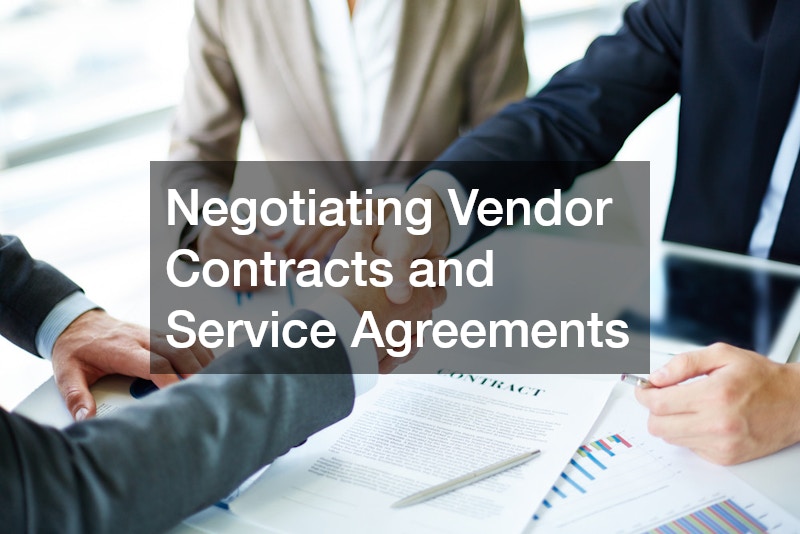
Many small businesses treat their recurring bills as fixed costs, but in reality, almost everything is negotiable. From your internet service provider to your waste management company, vendors are often willing to provide better rates to loyal customers or those willing to sign longer-term agreements.
The first step in vendor management is to conduct a “spending audit.” List every recurring service you pay for and compare the current rates against market averages. If you have been with a provider for several years, you may be on an outdated pricing tier. Simply calling a representative and asking for a “loyalty discount” or a “rate review” can often result in immediate monthly savings.
Consolidating your vendors can also provide significant leverage. If you are using three different companies for various maintenance tasks, see if one company can handle all of them for a bundled price. Vendors value the stability of a larger contract and are usually willing to offer a discount in exchange for the increased volume of work.
-
Annual vs. Monthly: Ask if paying for a year upfront results in a discount (often 10-15%).
-
Competitive Bidding: Every two years, put your major service contracts out for bid to ensure you are still getting a fair market rate.
-
Audit Your Subscriptions: Cancel “zombie” software subscriptions that employees no longer use.
Reducing Waste and Optimizing Supply Chains
Waste in a small business isn’t just about what goes in the trash; it’s about any resource that is purchased but not fully utilized. This includes office supplies, raw materials, and even the space you rent. Inventory management and supply chain optimization are critical for businesses that deal with physical goods, but the principles apply to service-based businesses as well.
In the office, the transition to a paperless environment is one of the easiest ways to cut overhead. The cost of paper, toner, and printer maintenance adds up to thousands of dollars a year for many firms. By moving to digital signatures and cloud-based document storage, you eliminate these costs while also making your information more secure and easier to search.
For businesses that require physical inventory, “Just-in-Time” (JIT) ordering can significantly reduce the amount of capital tied up in sitting stock. While it requires better coordination with suppliers, it prevents money from being wasted on products that may become obsolete or damaged before they can be sold. Reviewing your supply chain for bottlenecks can also reveal opportunities to source materials from local providers, potentially reducing shipping costs and lead times.
Enhancing Employee Retention to Lower Turnover Costs
One of the most “invisible” overhead costs is employee turnover. The cost of recruiting, hiring, and training a new employee can range from 50% to 200% of that position’s annual salary. High turnover is a massive drain on resources that never shows up as a single line item on a P&L statement, yet it can be the difference between a profitable year and a losing one.
Saving money in this area requires an investment in the culture and the environment. Employees who feel valued and have the tools they need to succeed are much less likely to leave. Providing a comfortable, well-maintained workspace—such as the climate control and cleanliness standards mentioned earlier—plays a larger role in retention than many owners realize.
Furthermore, offering professional development opportunities can be a cost-effective way to keep staff engaged. Instead of hiring new specialists at high salaries, consider cross-training your existing team. This not only makes your operation more flexible but also shows your employees that you are invested in their career growth. A stable team is a more efficient team, and efficiency is the ultimate enemy of high overhead.
-
Feedback loops: Conduct regular stay interviews to find out what employees need to remain satisfied.
-
Flexible work: Allow remote work where possible to reduce the required size (and cost) of your physical office space.
-
Performance-based bonuses: Align employee incentives with the company’s cost-saving goals.
Implementing a Quarterly Financial Review Process

The final piece of the overhead reduction puzzle is consistency. Cost-cutting is not a one-time event; it is a continuous process of refinement. Market conditions change, technology evolves, and what was a “good deal” last year might be an overpayment today. Establishing a formal review process ensures that your business stays lean as it scales.
Every three months, set aside time to review your financial statements with a specific focus on “discretionary” and “operating” expenses. Look for any spikes in spending and investigate the cause. Sometimes, a high utility bill is a sign of a mechanical failure that needs to be addressed. Other times, a high marketing spend is the result of a campaign that has stopped converting.
During these reviews, involve your department heads. Those on the “front lines” often have the best insights into where money is being wasted. They might know that a certain software tool is redundant or that a specific vendor is consistently late, causing delays that cost the company money. By fostering a culture of fiscal responsibility, you turn every employee into a guardian of the company’s resources.
-
Set benchmarks: Compare your overhead percentages against industry averages to see where you can improve.
-
Reward innovation: Create a program where employees get a small bonus for suggesting a verified cost-saving measure.
-
Focus on ROI: Don’t just look at the cost of an item; look at the return it provides. Sometimes spending more upfront on a high-quality service saves more in the long run.
Remember that the goal of reducing overhead is to free up capital that can be reinvested into the things that truly matter: your products, your customers, and your team. When you stop “leaking” money on inefficient systems and poorly managed assets, you gain the agility needed to seize new opportunities. Start by picking two or three areas to audit this month. As you see the savings accumulate, you will find the momentum to transform your business into a leaner, more profitable, and more sustainable enterprise.