Almost every household has a forgotten stash of jewelry tucked away in a dresser drawer, a bedroom safe, or a velvet-lined box in the closet. From broken gold chains and mismatched earrings to out-of-style rings and inherited family heirlooms, these unworn pieces represent significant tied-up capital. In times of financial need or simple lifestyle decluttering, converting precious metals and gemstones into immediate cash is a practical way to unlock liquidity. However, walking into a buyer’s shop without preparing your items can leave substantial money on the table.
Selling jewelry for maximum value requires much more than simply handing over an old pouch of metal. Professional buyers evaluate items based on fine metal purity, precise weight, gemstone authenticity, brand provenance, and overall condition. When items are covered in skin oils, soap scum, or tarnish, critical purity stamps can become obscured, making accurate testing difficult. Furthermore, presenting an unorganized assortment of mixed alloys signals to a buyer that you may not know the true value of your items, putting you at a distinct disadvantage during price negotiations.
Mastering Safe Home Cleaning Techniques for Precious Metals
The first step in preparing your jewelry for sale is restoring its visual clarity so that buyers can quickly inspect its condition and hallmarks. Over years of wear or storage, rings, necklaces, and bracelets collect layers of body oils, hand lotions, dust, and soap film. This buildup dulls the natural luster of precious metals and obscures delicate settings. Cleaning your items reveals their true surface condition, showing buyers that you take care of your valuables and making non-destructive testing much easier.
When cleaning precious metal jewelry at home, gentle methods are always best. Harsh industrial chemicals, abrasive scouring powders, or stiff-bristled brushes can permanently scratch soft metals like gold and silver or damage sensitive gemstones.
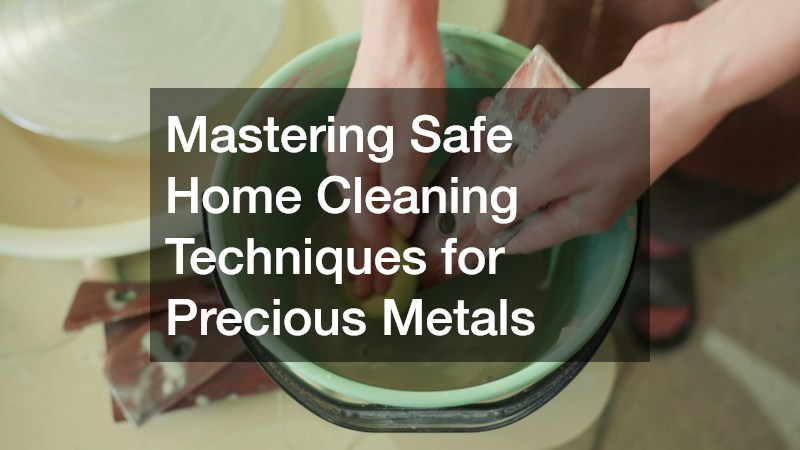
- Prepare a Gentle Soaking Solution: Mix a few drops of mild, additive-free liquid dish soap into a bowl of lukewarm water. Avoid using hot or boiling water, which can shock and crack delicate gemstones like opals, emeralds, or pearls.
- Soak to Loosen Debris: Submerge solid gold, platinum, and silver pieces for 10 to 15 minutes to soften stubborn grime trapped in intricate settings, underneath stone mountings, or inside chain links.
- Use an Ultra-Soft Toothbrush: Gently brush around ring prongs, channel settings, and clasps using a soft-bristled baby toothbrush. Never scrub forcefully across polished metal surfaces.
- Rinse and Dry Safely: Place a fine mesh strainer over a bowl—never over an open sink drain—and rinse items thoroughly with lukewarm water. Pat completely dry using a clean, lint-free microfiber cloth.
While cleaning solid gold jewelry and modern gemstone pieces is beneficial, knowing when not to clean an item is equally critical. Aggressive cleaning or chemical polishing can strip the natural, aged patina from antique or collectible jewelry, reducing its secondary market collector value.
More importantly, rare numismatic coins, bullion rounds, and historical commemorative pieces should never be cleaned under any circumstances. Any artificial rubbing, polishing, or chemical dipping removes original mint luster and leaves microscopic surface scratches that severely degrade a coin’s grade when evaluated by a certified gold coin buyer.
For standard scrap gold items, chains, and modern bands, presenting clean, well-maintained pieces allows transparent cash for gold businesses to conduct swift, accurate testing and weigh your items cleanly without dirt weight interference.
Inspecting Hallmarks, Purity Stamps, and Sorting by Metal Content
Once your items are clean and dry, the next operational phase is locating and reading their official purity hallmarks. In most countries, precious metal jewelry is legally required to bear tiny stamped markings indicating its metal purity and manufacturer. Locating these stamps gives you a clear understanding of what you own before a buyer ever places your items on a scale.
Because hallmarks are often tiny, use a 10x jeweler’s loupe, a standard magnifying glass, or your smartphone camera’s macro zoom feature under bright lighting to inspect key areas. Look inside the inner band of rings, on the small metal tags near necklace and bracelet clasps, on the posts or backs of earrings, and on the bail loops of pendants.
Decoding stamps—such as 417 for 10K, 585 for 14K, 750 for 18K, 916 for 22K, or 999 for 24K fine gold—allows you to calculate the fine metal content of your collection. You must also distinguish solid precious metals from gold-plated or gold-filled items. Markings such as GF (Gold Filled), GP (Gold Plated), HGE (Hard Gold Electroplate), or RGP (Rolled Gold Plate) indicate that an item consists of a base metal core coated with a thin layer of gold, which carries significantly lower cash value than solid metal.
After identifying your hallmarks, organize your collection methodically before your appointment.
- Sort by Karat and Metal Type: Separate your collection into distinct, labeled re-sealable plastic bags—grouping 10K, 14K, 18K, platinum, and sterling silver into separate pouches.
- Isolate Unstamped or Ambiguous Items: Place worn, broken, or unstamped scrap pieces into a dedicated bag so they can undergo non-destructive acid or XRF spectrometer testing together.
- Prevent Surface Scratching: Grouping items neatly keeps delicate pieces from tangling and protects polished surfaces from friction scratches during transit.
Pre-sorting your items demonstrates to buyers that you are an informed seller who understands precious metal grading. Partnering with reputable 10-24 carat gold buying establishments ensures that each purity group is weighed separately on certified, calibrated digital scales, with payouts calculated transparently against current spot market prices. Working with professional local jewelry buyers who break down payout quotes by exact weight and karat purity ensures you receive full value for both melt content and resalable craftsmanship premiums.
Authenticating Gemstones, Synthetic Alternatives, and Paperwork

Precious metal weight is only one component of your jewelry’s total value. If your pieces contain natural diamonds, precious gemstones, or represent signed designer lines, the craftsmanship and gemstone value can far exceed the underlying melt price. Gathering historical documentation and understanding gemstone characteristics is essential for maximizing your overall return.
Original paperwork serves as verifiable proof of authenticity, provenance, and quality. Before visiting a buyer, locate all original documentation associated with your collection.
- GIA or AGS Diamond Grading Reports: Laboratory certificates provide authoritative verification of a diamond’s 4 Cs (Carat, Color, Clarity, and Cut), ensuring you receive accurate wholesale gemstone offers.
- Original Sales Receipts & Brand Boxes: Retaining original store receipts, warranty cards, and branded box sets for pieces from luxury houses like Cartier, Tiffany & Co., or Van Cleef & Arpels can double or triple an item’s payout compared to raw melt value.
- Previous Appraisal Documentation: Independent insurance appraisals provide detailed descriptions, metal weights, and gemstone specifications that help guide secondary market expectations.
Understanding the secondary market for diamonds and alternative gemstones helps prevent misunderstandings during negotiations. While natural earth-mined diamonds retain consistent secondary market resale value, synthetic stones and modern lab grown diamonds trade under vastly different market dynamics. Lab-created diamonds possess identical chemical, optical, and physical properties to natural diamonds, but their scalable production has driven wholesale secondary market prices down significantly. Recognizing this distinction helps set realistic resale expectations when presenting diamond jewelry to a buyer.
Additionally, modern high-end jewelry settings feature precise manufacturing tolerances, often crafted using custom molds milled in a high-tech cnc machine shop to hold stones securely. Understanding whether a piece is off-the-shelf commercial stock or custom-engineered fine jewelry helps you decide whether to sell an item complete or remove valuable natural stones before selling the metal mounting for scrap.
Coordinating Inherited Estate Collections and Legal Asset Liquidation
Selling jewelry that you purchased yourself is straightforward, but handling an inherited estate collection introduces emotional complexities, legal responsibilities, and tax considerations. Inherited jewelry boxes often contain a mix of costume jewelry, high-value vintage pieces, family heirlooms, and historical items. Managing these items properly requires careful organization and legal clarity before any items are liquidated.
Before cleaning, sorting, or selling inherited items, construct a complete inventory log. Document each piece with clear photographs, noting metal stamps, gemstone colors, and any visible damage. Avoid attempting home scratch tests or using chemical acid kits on antique or inherited heirlooms, as improper testing can permanently damage historical items before a professional can evaluate them.
When managing estate assets, legal compliance is paramount. Consulting with a qualified wills attorney before liquidating substantial inherited jewelry ensures that all sales comply fully with probate court directions, trust provisions, and agreements among heirs. Selling estate assets prematurely without proper legal authorization can lead to personal liability or disputes among family beneficiaries.
Once legal clearances are confirmed, proceeds from liquidated estate assets can be directed toward resolving estate administration debts, settling tax liabilities, or covering final resting expenses such as gravestones and caskets. Maintaining meticulous, transparent records of all appraisal documents, buyer receipts, and payment transactions protects estate executors and guarantees a smooth, legally sound settlement process.
Securing High-Value Transport, Safety Protocols, and Final Negotiations
The final operational stage of selling your jewelry for cash is transporting your collection safely to a buyer and conducting negotiations securely. Carrying high-value precious metals, rare coins, or expensive gemstone jewelry requires strict personal safety precautions to protect both yourself and your property.
When traveling to a buyer’s office or shop, discretion is your best protection.
- Pack Items Discreetly: Place your sorted, baggie-grouped jewelry inside a soft, padded container, and place that container inside a plain, non-descript handbag, backpack, or briefcase. Never carry transparent bags or branded jewelry boxes openly in public.
- Maintain Travel Privacy: Do not announce your intention to sell jewelry on social media, and avoid discussing high-value sales in public locations or parking lots.
- Park in Well-Lit Areas: Choose reputable, established buyers located in secure commercial districts with visible security cameras and controlled access entryways.
For ultra-high-value estate collections, rare bullion hoards, or commercial gold lots, standard personal transport may introduce unacceptable security risks. Utilizing specialized high-security transport or an armored courier service ensures that high-value assets are insured and protected by armed professionals during transit to regional processing facilities or auction houses.
Once you arrive at the buyer’s shop, maintain active oversight throughout the testing and negotiation process. Insist that all testing—whether chemical acid scrapes, electronic conductivity testing, or XRF spectrometry—along with digital scale weighing, occurs directly in your line of sight.
Verify that the buyer’s digital scale is clearly visible, set to zero before items are placed on it, and displays an official state weights-and-measures calibration seal. Before accepting an offer, check live gold, silver, and platinum spot market prices per gram or pennyweight. Ensure the buyer provides a detailed, written purchase receipt breaking down the exact weight, karat purity, and unit price for each item group before accepting payment via cash, cashier’s check, or direct bank transfer.
Chronological Pre-Sale Checklist
Follow this step-by-step checklist to guide your jewelry preparation from home sorting to final cash payout:
Step 1: Inspection & Home Cleaning
- Gather all unworn, broken, or inherited jewelry pieces into a well-lit work area.
- Mix lukewarm water with a few drops of mild dish soap in a bowl.
- Soak solid gold, platinum, and silver items for 10 to 15 minutes to loosen grime.
- Gently brush around prongs and clasps with a soft-bristled baby toothbrush.
- Rinse over a strainer and pat completely dry with a clean microfiber cloth.
Step 2: Hallmark Identification & Sorting
- Inspect ring bands, clasps, and bails using a 10x jeweler’s loupe or smartphone macro lens.
- Identify purity stamps (e.g., 417, 585, 750) and separate solid metal from plated items.
- Group items by metal type and karat purity into separate, labeled re-sealable plastic bags.
Step 3: Documentation & Authentication
- Locate GIA/AGS diamond certificates, original sales receipts, and previous appraisals.
- Gather original branded box sets and packaging for signed luxury designer pieces.
- Note whether diamonds are natural or lab-grown to align with secondary market values.
Step 4: Legal Clearance & Security Transport
- Consult with a wills attorney if selling inherited estate items subject to probate.
- Pack sorted items discreetly in an unlabelled, padded bag inside a non-descript outer container.
- Arrange for an armored courier if transporting ultra-high-value collections or commercial bullion.
Step 5: Professional Evaluation & Negotiation
- Confirm that testing and digital weighing occur directly in your line of sight.
- Check that the buyer’s scale displays an official state calibration seal.
- Request a written receipt itemizing metal weights, karat purities, and payout rates.
Preparing your jewelry before selling it for cash is the single most effective way to protect your financial interests and secure the highest possible payout. Taking the time to gently clean surface buildup, decipher purity hallmarks, sort items methodically by karat weight, and gather supporting documentation transforms an uncertain errand into a transparent, profitable transaction. When you present organized, well-documented items, you signal to buyers that you understand your collection’s true market value, establishing a strong foundation for fair price negotiations.
Whether you are liquidating a few broken gold chains, selling a natural diamond ring, or managing a complex inherited estate, following a disciplined preparation process ensures a safe and successful outcome. Verify live market spot prices, consult legal advisors when managing estate assets, insist on transparent in-sight testing, and partner with reputable, certified buyers. With the right preparation, you can unlock the full cash value of your unworn jewelry with complete confidence!