
Key Takeaways
- Unused rings, chains, and heirlooms sitting in a drawer can be converted into real cash that strengthens your financial cushion
- Knowing the metal type, karat, gemstone quality, and current market prices is essential before you set any asking price
- Online marketplaces like Etsy, eBay, Poshmark, and specialty buyers each serve different types of pieces, so choosing the right platform matters
- Clear photos, honest descriptions, and verified authentication help you earn buyer trust and command higher prices
- Shipping with insurance, tracking, and signature confirmation protects both you and the buyer from costly disputes
- Routing every sale directly into a dedicated high-yield savings account turns one-time income into long-term security
- Starting small and reinvesting profits lets a side hustle quietly grow into a reliable financial safety net
Why Your Old Jewelry Might Be Worth More Than You Think
Most people have a tangled pile of necklaces, mismatched earrings, or inherited rings they never wear. These forgotten pieces often carry real monetary value, especially as gold and silver prices continue to climb. Instead of letting them collect dust, you can turn them into cash that funds something far more useful: a rainy day fund.
Emergency savings are not a luxury. They are the difference between a flat tire being annoying and a flat tire being a financial disaster. According to the Federal Reserve, just over half of adults had three months of expenses saved for emergencies in 2025, which means nearly half of the country is one unexpected bill away from borrowing money. Turning unused valuables into cash is one of the fastest ways to close that gap.
This guide walks you through the basics step by step, assuming you have never listed anything online before. By the end, you will understand what your pieces are worth, where to list them, and how to channel the proceeds into a true financial cushion.
What Counts as Valuable Jewelry?
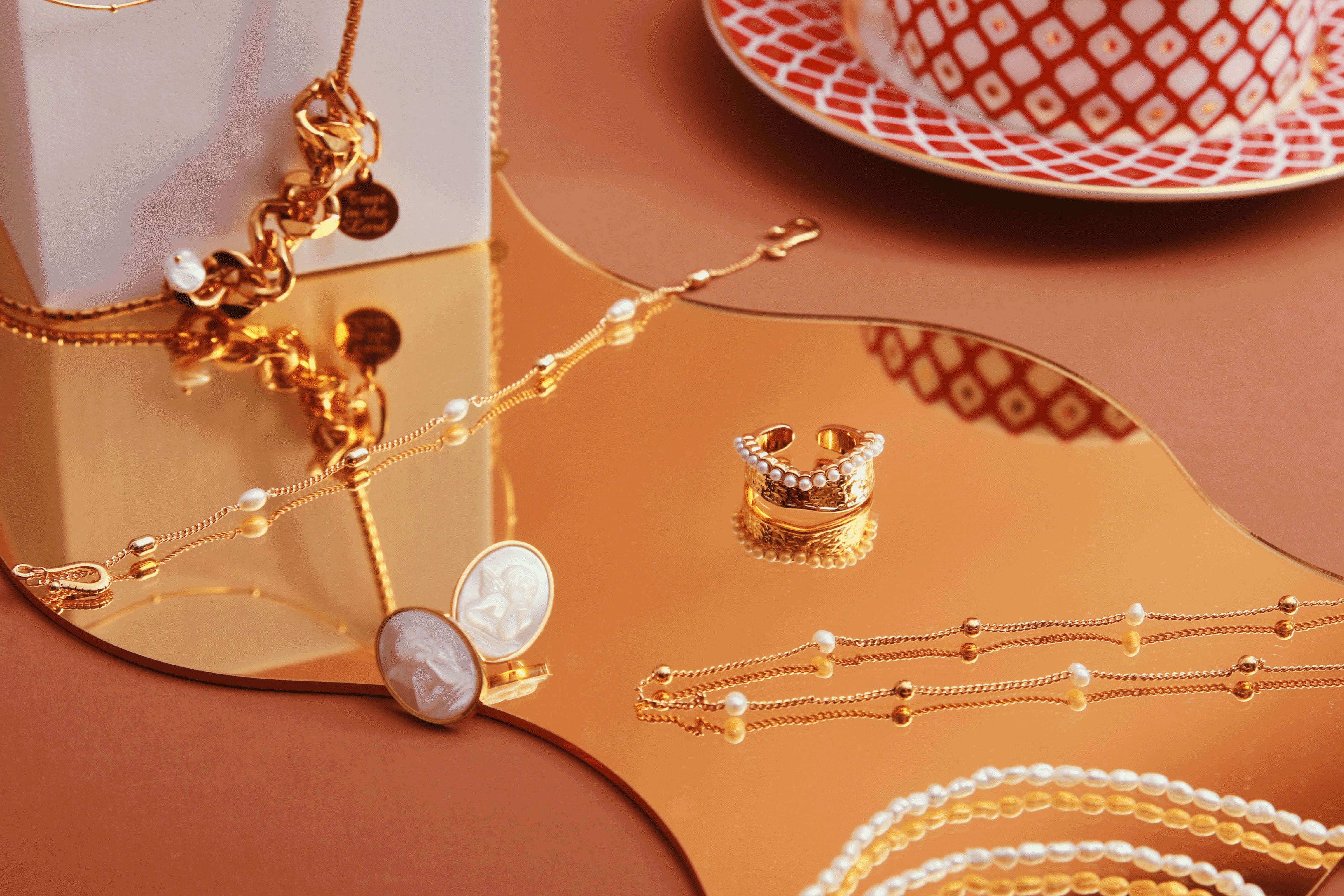
Before you list anything, you need to understand what you actually own. Not every shiny item is worth top dollar, and not every tarnished piece is worthless. The value usually comes down to three things: the metal, the stones, and the brand or designer.
Precious metals like gold, platinum, and sterling silver have intrinsic value based on weight and purity. Look for tiny stamps on the clasp or inner band — markings like “925” mean sterling silver, while “14K” or “18K” indicate gold purity. Costume jewelry, which is made from base metals and glass, usually has little resale value unless it is vintage or from a collectible brand.
Here are the categories that tend to sell well online:
- Solid gold pieces of any karat weight
- Sterling silver items, especially designer-signed
- Diamond rings, loose diamonds, and certified gemstones
- Vintage or antique pieces from recognized eras
- Signed designer items from brands like Tiffany, Cartier, or David Yurman
- Watches from reputable Swiss or Japanese makers
How to Identify Hidden Gems
Pull out every piece you own and lay them on a clean cloth. Grab a magnifying glass and check for hallmarks, maker marks, or small engraved numbers. If you find something unusual or unrecognizable, a quick image search or a trip to a local jeweler for a free appraisal can reveal surprises. Family heirlooms in particular often hold more value than owners realize.
How to Sell Jewelry Online the Smart Way
Once you know what you have, the next step is figuring out where and how to list it. The good news is that the market is massive and still growing fast. According to Branvas, the global online jewelry market is projected to hit roughly $85.7 billion in 2026, expanding at about 13 percent per year. That means more buyers, more platforms, and more opportunity for individual sellers.
Learning how to sell jewelry online starts with picking the right platform for your piece. A vintage brooch belongs on Etsy or Ruby Lane. A modern diamond engagement ring may do better on Worthy or I Do Now I Don’t. Gold chains with no sentimental value can go straight to a reputable refiner for melt value. Matching the item to the marketplace is half the battle.
Give each piece a thorough cleaning before you photograph it, because presentation directly affects price. If you are unsure how to polish safely without damaging stones or finishes, this guide on cleaning jewelry for cash walks through the simple steps that make a visible difference in your listings.
Choosing the Right Platform for Your Pieces
Each marketplace has its own audience, fees, and rules. Picking wisely can mean the difference between a quick sale and a listing that sits for months. Here is a quick breakdown of where to go based on what you are selling:
- Etsy — best for handmade, vintage, and artisan pieces
- eBay — broad reach, works well for mid-range and collectible items
- Poshmark — fast for costume jewelry and trendy brands
- Worthy — auction-style platform for high-end diamonds and designer rings
- Facebook Marketplace — great for local cash sales with no shipping
- Specialty buyers like Abe Mor or WP Diamonds — strong for luxury watches and diamonds
The industry supports plenty of competition. IBISWorld reports that there are more than 35,000 online jewelry and watch businesses operating across the United States, with the sector growing at 6.4 percent annually between 2020 and 2025. That competition is actually good for sellers because it has created polished tools, reliable payment systems, and buyer protections on almost every platform.
Fees and Payouts to Watch
Every platform takes a cut, and those percentages add up. eBay charges roughly 13 percent, Etsy takes 6.5 percent plus listing fees, and auction sites can run 15 to 20 percent. Always subtract fees from your mental sale price before you set a listing. Shipping, insurance, and payment processing nibble at profits too, so factor everything in.
Writing Listings That Actually Sell
A great listing does three jobs: it gets found in search, it builds trust, and it answers questions before buyers ask. Start with a clear title that includes the metal, the style, and any brand name. Something like “14K Yellow Gold Rope Chain Necklace 20 Inch” beats “Beautiful Gold Necklace” every time.
Photos are the single biggest factor in whether someone clicks on your listing. Use natural light, a plain background, and take at least six angles including close-ups of hallmarks, clasps, and any flaws. Buyers trust honest sellers who show scratches or missing stones. Hiding defects almost always leads to returns and bad reviews.
Your description should cover the essentials without fluff:
- Metal type and karat or purity stamp
- Measurements in both inches and millimeters
- Weight in grams
- Stone type, size, and any certifications
- Condition and any flaws
- Original purchase information if available
This level of detail is what separates a hobby seller from someone who treats selling jewelry as a genuine income stream. The more questions you answer upfront, the fewer messages you will have to field later.
Turning Sales Into Real Emergency Savings
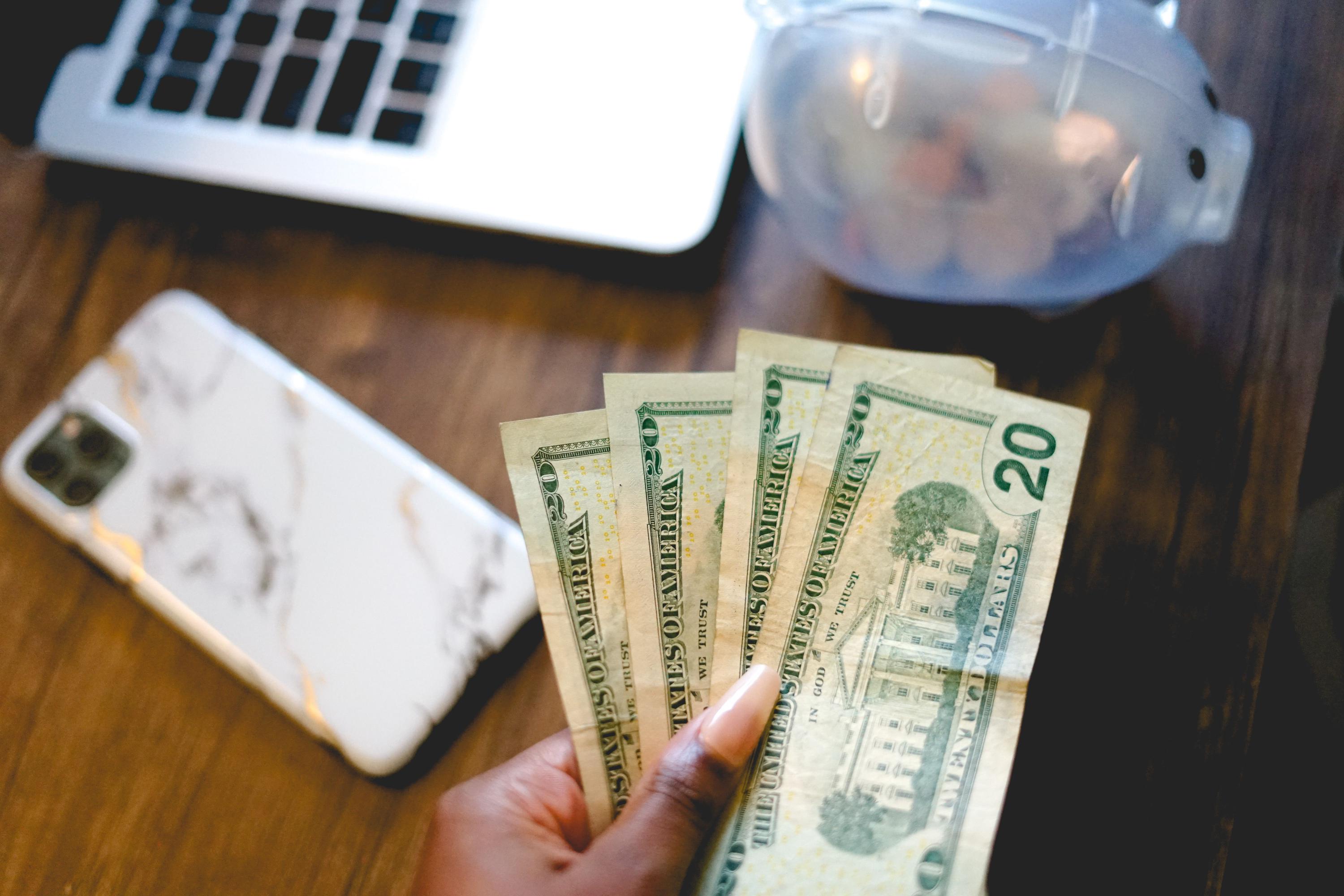
Making the sale is only half the work. The other half is making sure that money does not quietly disappear into everyday spending. The whole point of this exercise is to build a cushion, not fund more impulse purchases.
Open a separate high-yield savings account at an online bank before your first sale clears. Keeping emergency money in the same checking account you use for groceries is a recipe for slowly draining it. A dedicated account creates psychological distance and usually earns real interest too.
The need is urgent for many households. Bankrate found that only 46 percent of Americans can cover three months of expenses from savings, while 24 percent have nothing set aside at all. Everydollar you move from a drawer into that account is a dollar closer to real stability.
Set a specific target before you start. A common starting goal is $1,000, which covers most minor emergencies like a car repair or an urgent vet bill. Once you hit that, aim for one month of expenses, then three. Breaking the goal into chunks keeps the project feeling achievable.
Automating the Transfer
As soon as a payout lands in your checking account, move it immediately. Better yet, set up a standing rule in your head: 100 percent of resale proceeds go straight to savings. Some sellers link their PayPal or platform payout directly to the savings account to skip the middle step entirely. The less friction between sale and deposit, the less tempting it is to spend.
If you want to accelerate the cushion, pair resale income with small cuts elsewhere. Canceling one unused subscription or skipping a weekly takeout order and routing that money to the same account doubles your progress without extra listings.
Protecting Yourself During Shipping and Payment
Shipping valuables carries real risk, and a single lost package can wipe out weeks of effort. Always use tracked shipping with signature confirmation for anything worth more than $50. For pieces above $500, add full insurance through the carrier or a third-party provider like Shipsurance. USPS Registered Mail remains the gold standard for high-value items because it is handled under lock at every transfer point.
Package smartly to avoid tipping off porch pirates. Use a plain padded mailer rather than a branded jewelry box on the outside. Inside, wrap each piece in anti-tarnish tissue and a small bubble sleeve. Include a simple packing slip but leave off any invoice that reveals the full sale price.
On the payment side, stick with platform-protected checkout whenever possible. Avoid buyers who push for Zelle, Venmo friends-and-family, or wire transfers outside the marketplace. Those methods strip away your dispute rights and are the favorite tools of scammers targeting new sellers.
- Ship within one to two business days of payment clearing
- Record a quick video of the item going into the package
- Save all tracking numbers and receipts for at least 90 days
- Respond to buyer messages within 24 hours to prevent escalations
- Never refund outside the platform, even if a buyer asks nicely
Scaling From One-Time Sale to Ongoing Side Hustle
Once you clear out your own drawer, you may discover you enjoy the process. Plenty of casual sellers have grown into steady side-hustlers by sourcing pieces from estate sales, thrift stores, and family friends who want to downsize. The skills are the same: identify value, photograph well, price fairly, ship safely.
Start reinvesting a small portion of profits once your initial savings goal is met. Setting aside roughly 20 percent for inventory while sending 80 percent to savings keeps the cushion growing while giving you room to buy underpriced pieces you can flip. Estate sales on the final discount day are especially fertile ground for mispriced sterling and gold-filled items.
Keep simple records from day one. A basic spreadsheet with purchase price, sale price, fees, shipping, and net profit will save you headaches at tax time and help you spot which categories actually earn money. Many new sellers are surprised to learn that a few high-margin pieces carry the whole operation while others barely break even.
Conclusion
Converting forgotten jewelry into an emergency fund is one of the most practical financial moves available to almost anyone. The raw materials are already sitting in your home, the platforms to reach buyers are free to join, and the payoff is a cushion that protects you from the kind of surprise expenses that push families into debt. All it takes is a weekend of sorting, a careful eye on pricing, and the discipline to route every dollar into a dedicated account.
The habit you build matters as much as the cash itself. Learning to appraise what you own, research market prices, and photograph items professionally are transferable skills that pay off whether you ever list another piece or not. You become a sharper consumer and a more confident seller, and that mindset tends to spill over into other areas of your financial life.
Start today with a single drawer. Lay everything out, identify the pieces worth real money, pick one platform, and list one item this week. By the time your first payout lands in that high-yield account, you will already be ahead of nearly half the country — and well on your way to a safety net that no unexpected bill can shake.